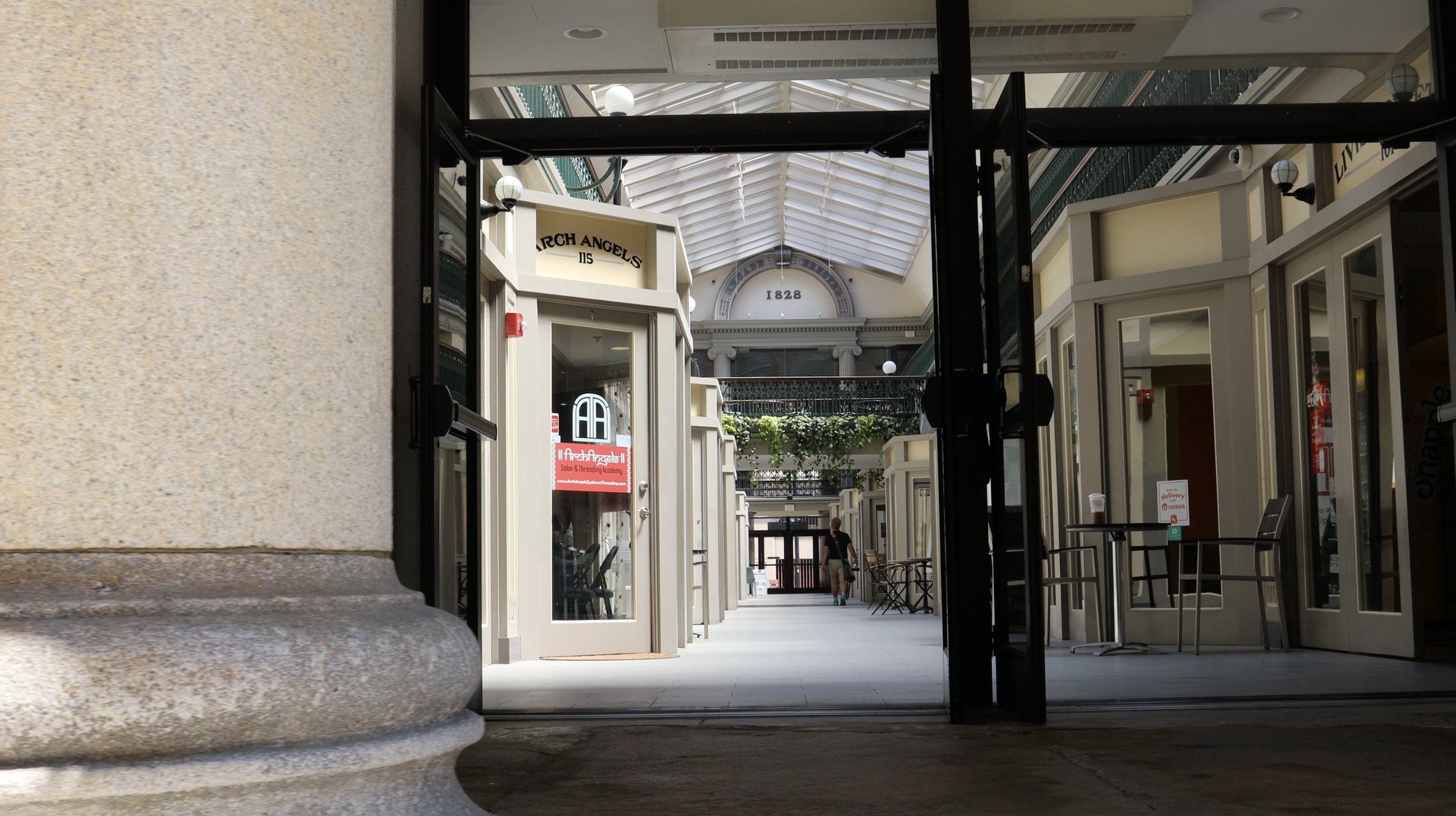
Housing Providence's Future
Businesses choose cities that provide the foundational supports they need to grow, and housing is one of them. The Providence Foundation is working to get Providence building again: through policy, partnerships, and the development tools that make it possible.
Why Housing. Why Now. Why TPF.
Providence is at a turning point. Housing supply is the issue that determines whether this city grows or stagnates: whether businesses can recruit here, whether workers can afford to live here, whether the revitalization of Downtown becomes permanent or stalls.
The Providence Foundation has been a leading voice on this question for years. But the moment is urgent. Fifty-four shovel-ready housing projects are stalled in Rhode Island right now, representing nearly $400 million in private investment waiting to move. The tools to unlock them exist; they were simply allowed to lapse this year, and they need to be restored, funded, and used.
That's what we're working on.
54 Projects Stalled
$400M+ in private investment on hold
6,500+
Housing units already created
$2.18B Investment
Catalyzed since 2002
What TPF Is Doing About It
The Providence Foundation doesn't just comment on housing policy. We're in the rooms where decisions get made: advocating for the legislative fixes, development tools, and planning frameworks that unlock housing supply in Rhode Island.
Our approach is coordinated and evidence-based. We work alongside developers, planners, state legislators, city officials, and community partners to advance the policies that make housing possible, not in theory, but project by project, block by block.
Policy Advocacy: Nine written testimonies and 32 government interactions in 2025. We show up at hearings, testify before the General Assembly, and ensure the Foundation's voice is part of every consequential housing conversation.
Legislative Education: We're building a sustained summer education campaign for ~100 Rhode Island legislators, because lasting change requires legislators who understand the tools, not just the talking points.
Coalition Building: Working alongside Providence Preservation Society, GrowSmartRI, Preserve RI, HousingWorksRI, and other statewide partners to advance the same goals from multiple angles.
The Providence Advantage: How Housing Keeps Providence Competitive
Providence's housing challenge doesn't have one solution. It has three connected ones, and TPF is advocating across all of them.
PILLAR 2
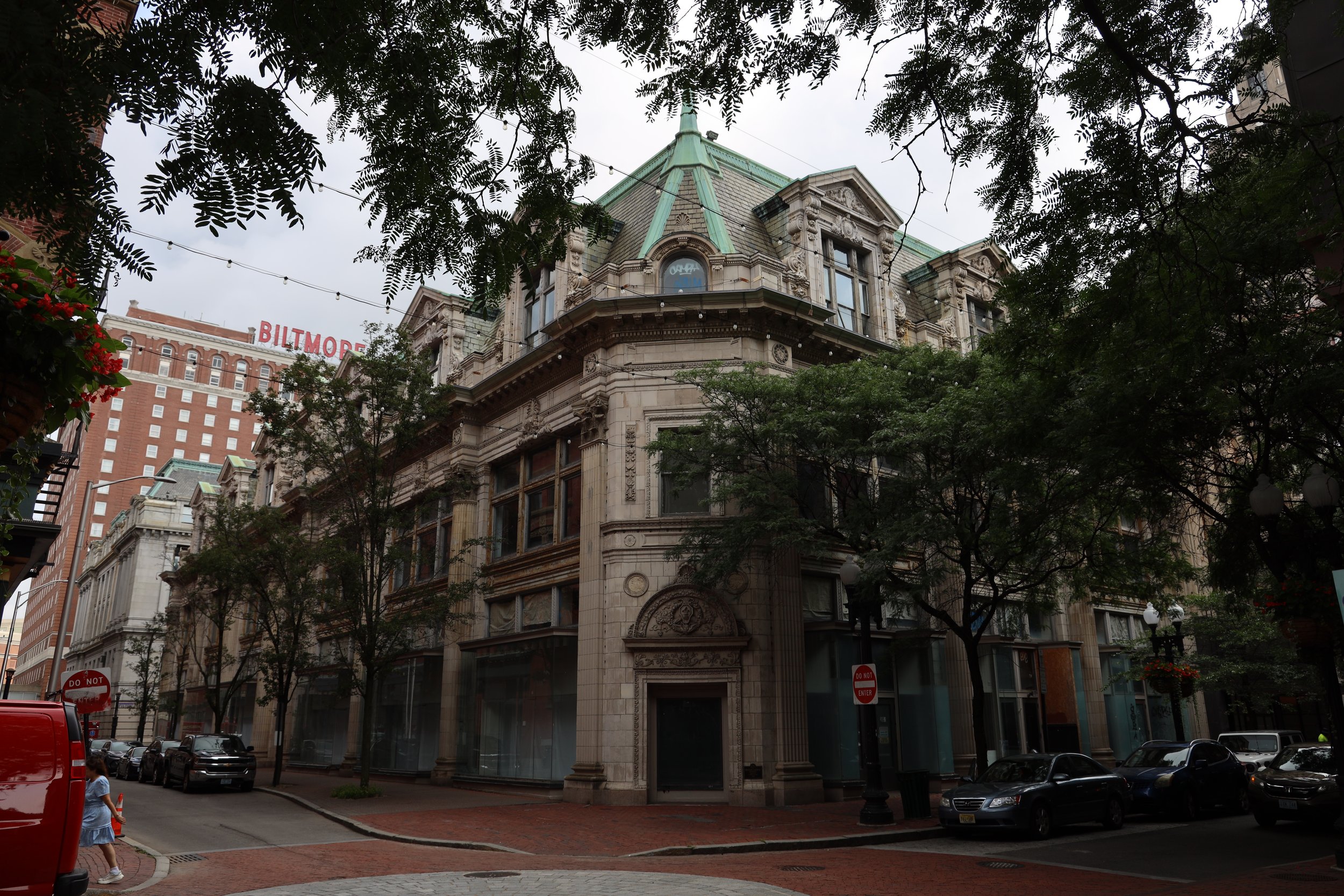
Smart Density Near Jobs, Transit, and Services
Building a City Where People Can Live Near Work
Housing near the Hospital District, small businesses, and reliable transit helps nurses, teachers, and service workers live closer to their jobs, while putting underused surface lots to better use.
23,222 units needed statewide by 2030. Rhode Island ranks 50th in the nation for permits.
PILLAR 1
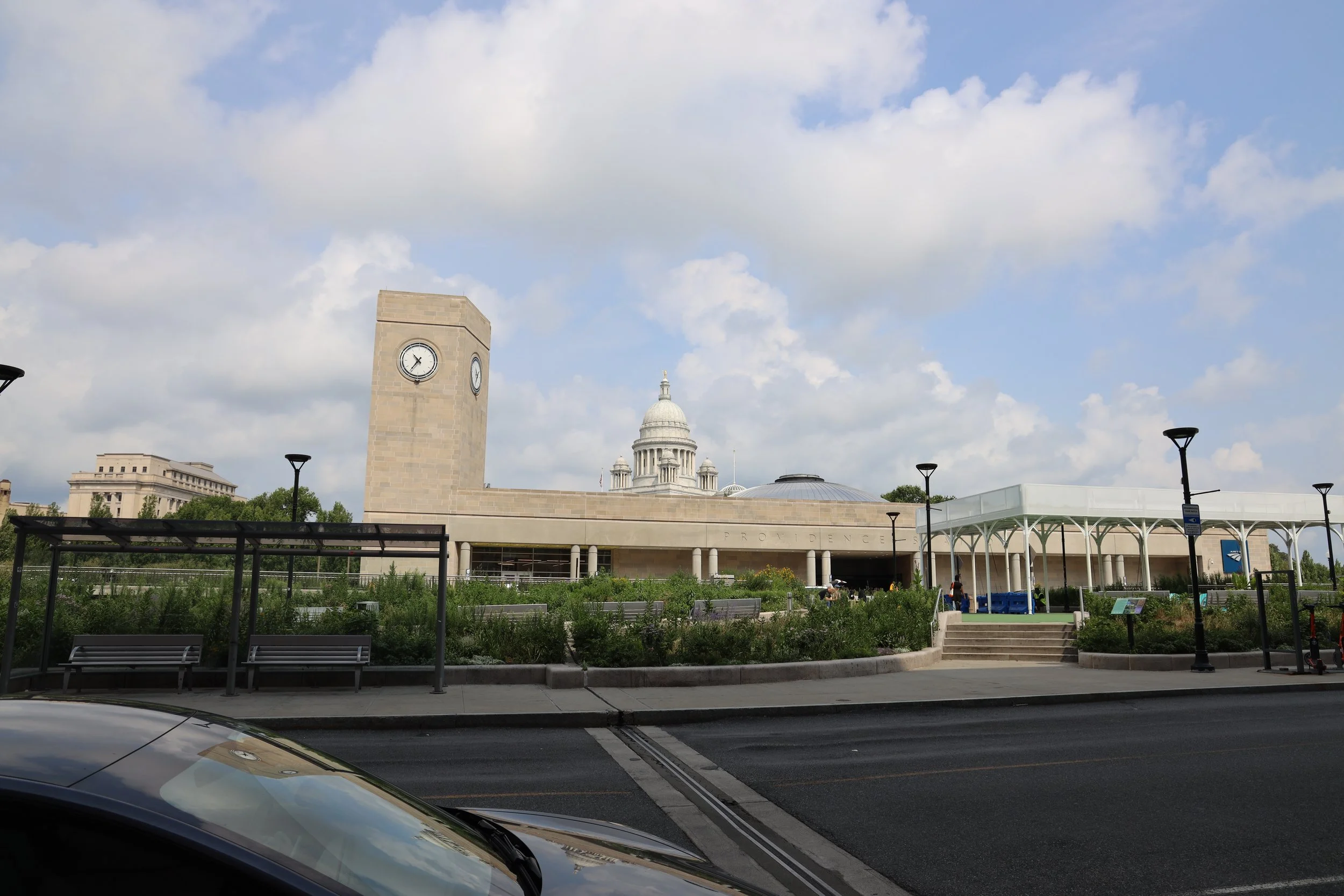
Converting Downtown Buildings into Homes
From Office Space to Home: The Case for Adaptive Reuse
Century-old landmarks like the Shepard Building and the Old Providence Journal Building anchor a downtown full of underused, structurally sound buildings, dozens more like them, all ready for a second life as housing, using the roads, transit, and infrastructure already in place.
The tool that makes it possible: the State Historic Tax Credit, paired with 8-Law (H 8006) and Tax Stabilization Agreements. Since 2002, SHTC has rehabilitated 320 historic buildings statewide and produced 20% of all new Rhode Island housing units. But the program expired at the close of this year's legislative session, and 8-Law failed in the Senate. Nothing new can move through either program until they're reinstated. TPF is advocating to restore both, unlocking nearly $400 million in shovel-ready investment currently stalled.
PILLAR 3
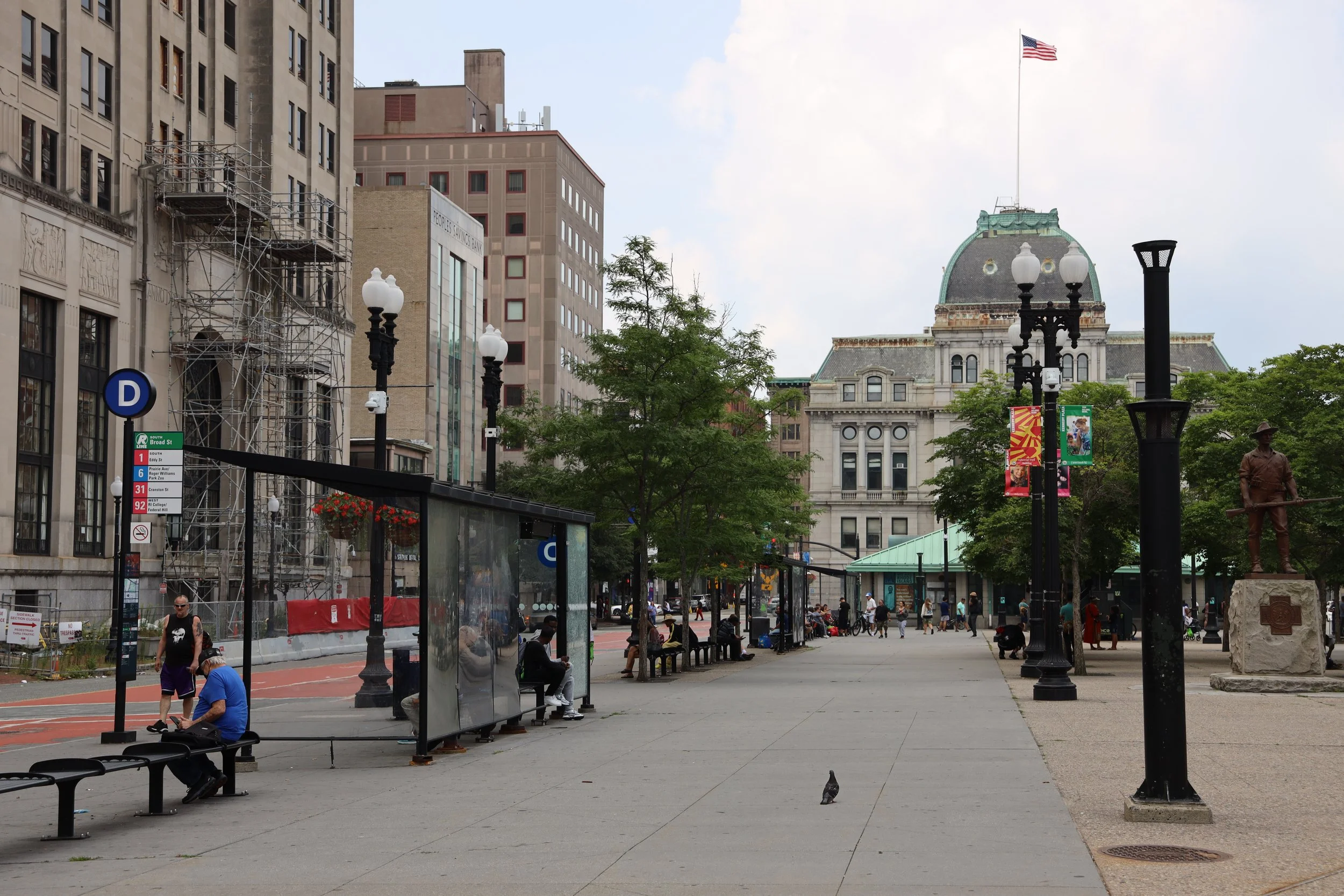
Transportation as Business Infrastructure
Moving Providence Forward
Housing is only half the equation. Businesses choose cities where people and goods move easily, where employees can get to work without friction, and where downtown feels connected rather than cut off. A modern transit system is part of Providence's competitive advantage, not a separate issue from it.
In July 2026, Rhode Island's congressional delegation announced $33 million in federal BUILD grant funding: $25 million toward a new Providence Transit Center adjacent to Amtrak's Providence Station, and $8 million toward the Mount Hope Bridge rehabilitation. The new transit center would consolidate RIPTA's downtown bus operations, connect riders directly to Amtrak's Northeast Corridor and MBTA commuter rail, and replace an aging Kennedy Plaza hub with a true multimodal facility.
Reimagining Kennedy Plaza also strengthens Providence's direct rail connection to Boston, giving residents on both ends of that line easier access to jobs, talent, and customers, a bidirectional flow that benefits employers in both cities.
A Proven Return, Not a New Expense
Solving Providence's housing challenge isn't about one program, one bill, or one pillar alone. It's about a set of financial tools working in concert across Pillars 1 and 2, and understanding why removing any single one kills a deal.
“The math is unforgiving. With all three tools functioning, the deal works. Remove any one of them, and the project dies.”
— Alex Miller, Cornish Associates, April 2026
Tool 1 — State Historic Tax Credit: The primary equity subsidy. At the recommended 25% residential rate it bridges the gap between what it costs to rehabilitate a historic building and what the market will support.
Tool 2 — Federal Historic Tax Credit: A 20% federal credit that stacks directly on top of the state credit. On a $40M project, the combined credits generate $18M in equity, covering 45% of total costs.
Tool 3 — Tax Stabilization (8-Law / H 8006): Even with $18M in equity on the table, a lender won't finance a project without long-term tax predictability. TSAs lock in operating costs for 15 to 30 years, the certainty banks require before they'll lend.
Over 22 years, the Historic Tax Credit has turned $442.8 million in state credits into $2.18 billion in private investment: a return, not an expense.
Hear from the Leaders Working on This
The Providence Foundation's trustees aren't passive observers. They're developers, financiers, nonprofit leaders, and civic advocates who understand the housing challenge from the inside, and who believe TPF's work matters.
“As a citizen, business owner, and general contractor invested in the success of Providence, the opportunity for more housing in Providence is clear. We have scores of underutilized buildings and a housing shortage. The Governor and Mayor both acknowledge that expanding housing supply is one of our most urgent challenges. We have the buildings and the need, so we need to incentivize developers both large and small to convert vacant or underused commercial spaces into housing. Providence is such a great city — there is strong demand for downtown living, and so many of the necessities have been created downtown over the last twenty years that have made our city charming and comfortable.”
— Peter Crump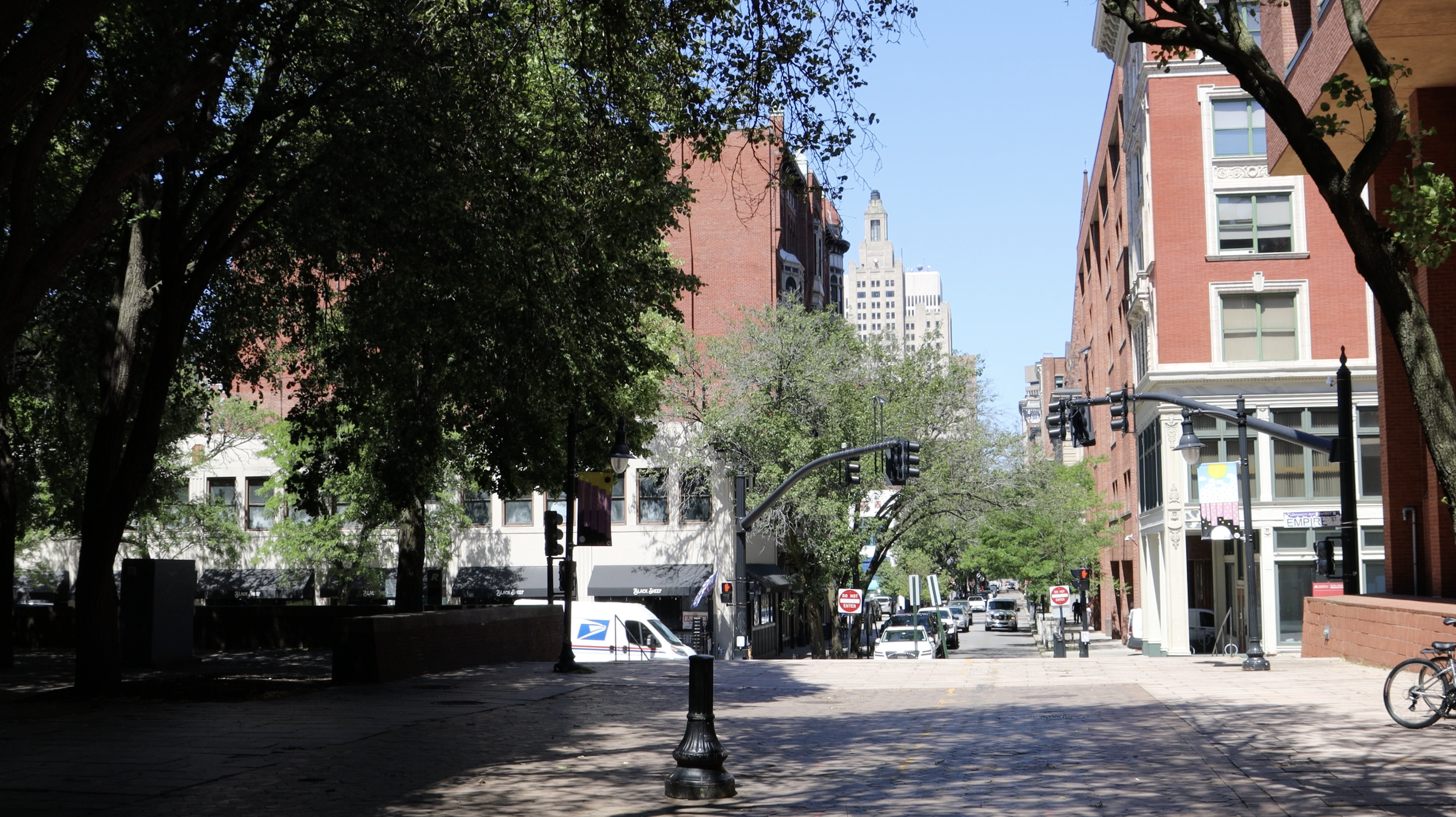
“We do have existing infrastructure in place, but we need to see more in the way of incentives for development to happen. My company has built new construction as well as conversion projects. Construction is complex and expensive, and housing projects require incentives to be economically viable. Converting buildings from commercial to residential makes sense from so many perspectives. First and foremost, they are strong structures, built well, and they are historic buildings that deserve reconditioning. It makes sense for everyone involved — from the moment the shovel hits the ground until the moment the final apartment is rented to a tenant or purchased by an individual or family, people benefit. I would love to see our city and state work with more synergy on conversions and to get assistance from the federal government as well to make substantial progress here. ”
— Michelle WilcoxIn Their Own Words
Hear directly from David Salvatore and TPF trustees on why housing is the defining issue for Providence right now.

“We will only attract new businesses to a downtown that has a growth mentality, not a scarcity mentality.”
— David Salvatore, Providence Journal
Read the Research
The Providence Foundation's housing positions are grounded in data. This library brings together TPF's own research, testimony, and commentary alongside the outside data that backs it up, for legislators, civic leaders, and anyone who wants to understand why these tools matter.
TPF Research & Commentary
5 Reasons Why the Historic Tax Credit Is a Game Changer for Rhode Island. The Providence Foundation's case for restoring and strengthening the State HTC program.
Building More Housing: How It's All Connected. Alex Miller / Cornish Associates, April 2026. The definitive memo on how the State HTC, Federal HTC, and 8-Law work together.
Building More Housing Through Coordinated Policy. TPF Housing Memo, May 2026.
In David's Words: Providence Must Turn Its Downtown Momentum Into Growth. Providence Journal op-ed.
Commentary: Rent Control Won't Solve Providence's Steep Rental Prices. David Salvatore, The Boston Globe, March 2026.
Policy Testimony
TPF Written Testimony: RIPTA Funding (H 7127), March 2026. David Salvatore's testimony in support of the FY27 RIPTA budget allocation.
TPF Written Testimony: [Title TBD]. David Salvatore's written testimony before the General Assembly on housing policy. [PDF to be provided by JBC/TPF]
External Data Sources
Rhode Island Public Expenditure Council (RIPEC) analysis, as reported in Rhode Island Current, June 2026.
Preserve RI / Grow Smart RI (2024); PlaceEconomics Study; RI Division of Taxation.
U.S. Senate delegation announcement, $33M BUILD grant for Providence Transit Center and Mount Hope Bridge, July 2026.
Stay in the Loop
This campaign is active and evolving. Follow The Providence Foundation on social media for updates as legislation moves, projects advance, and new voices join the conversation.



Subscribe to our Newsletter